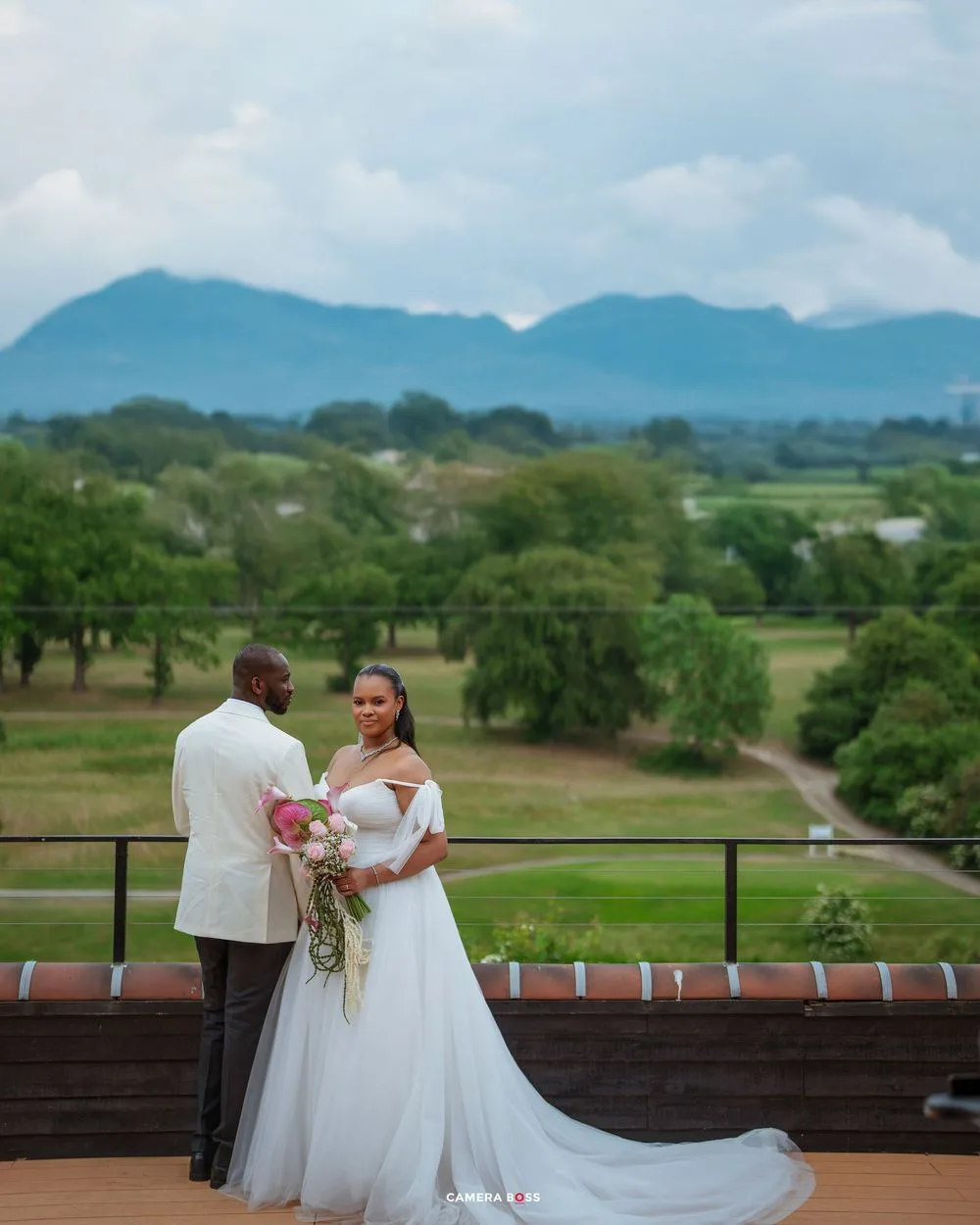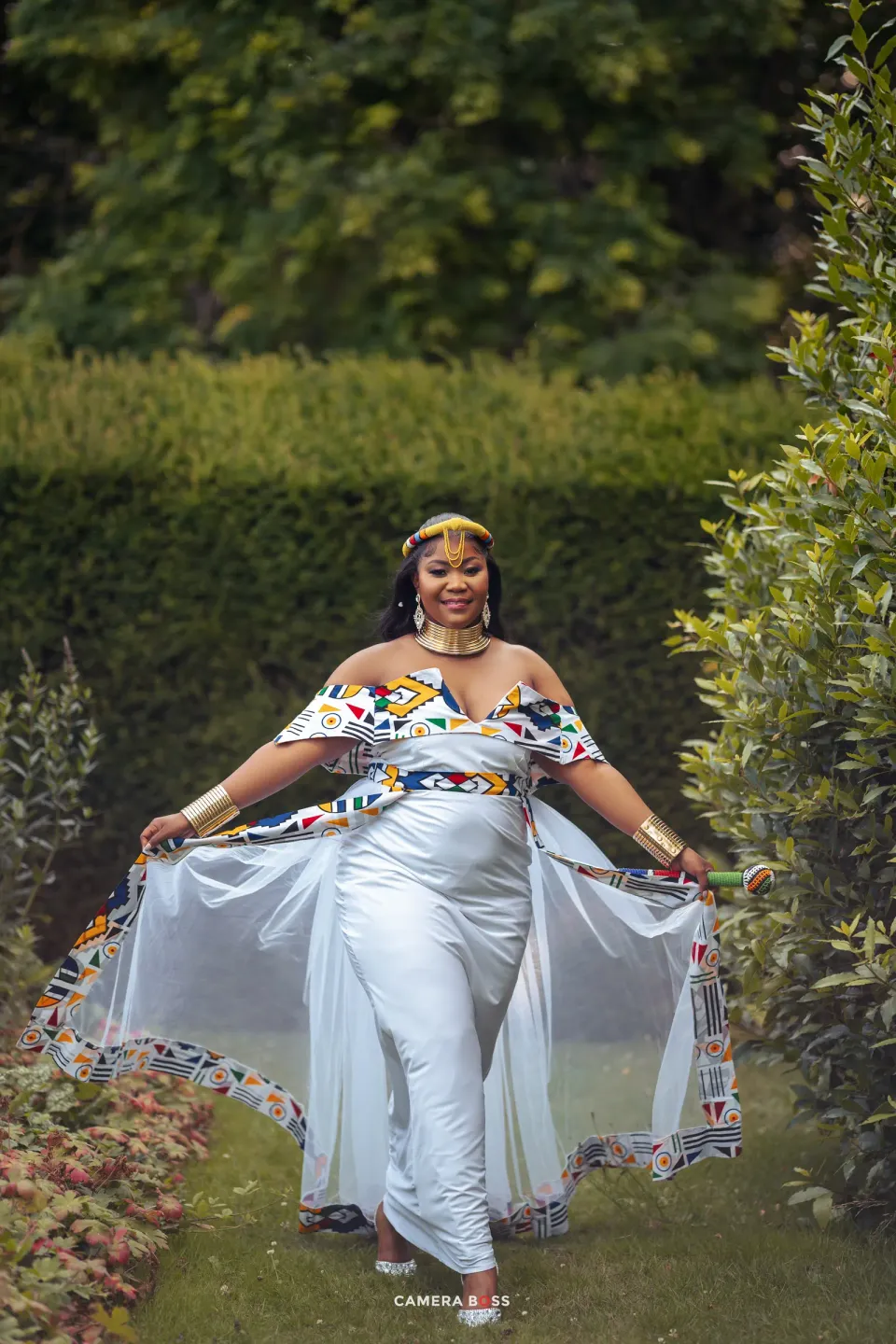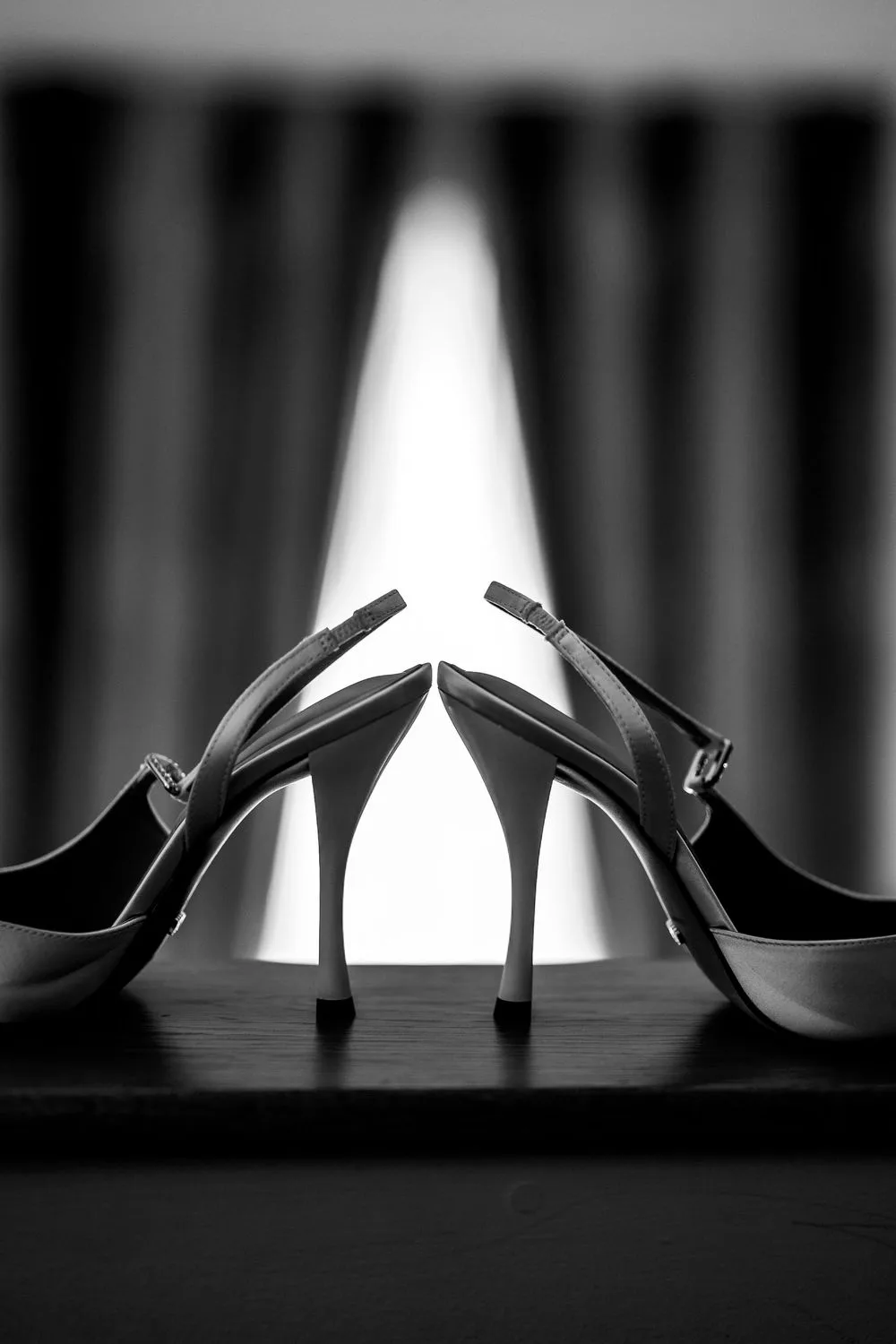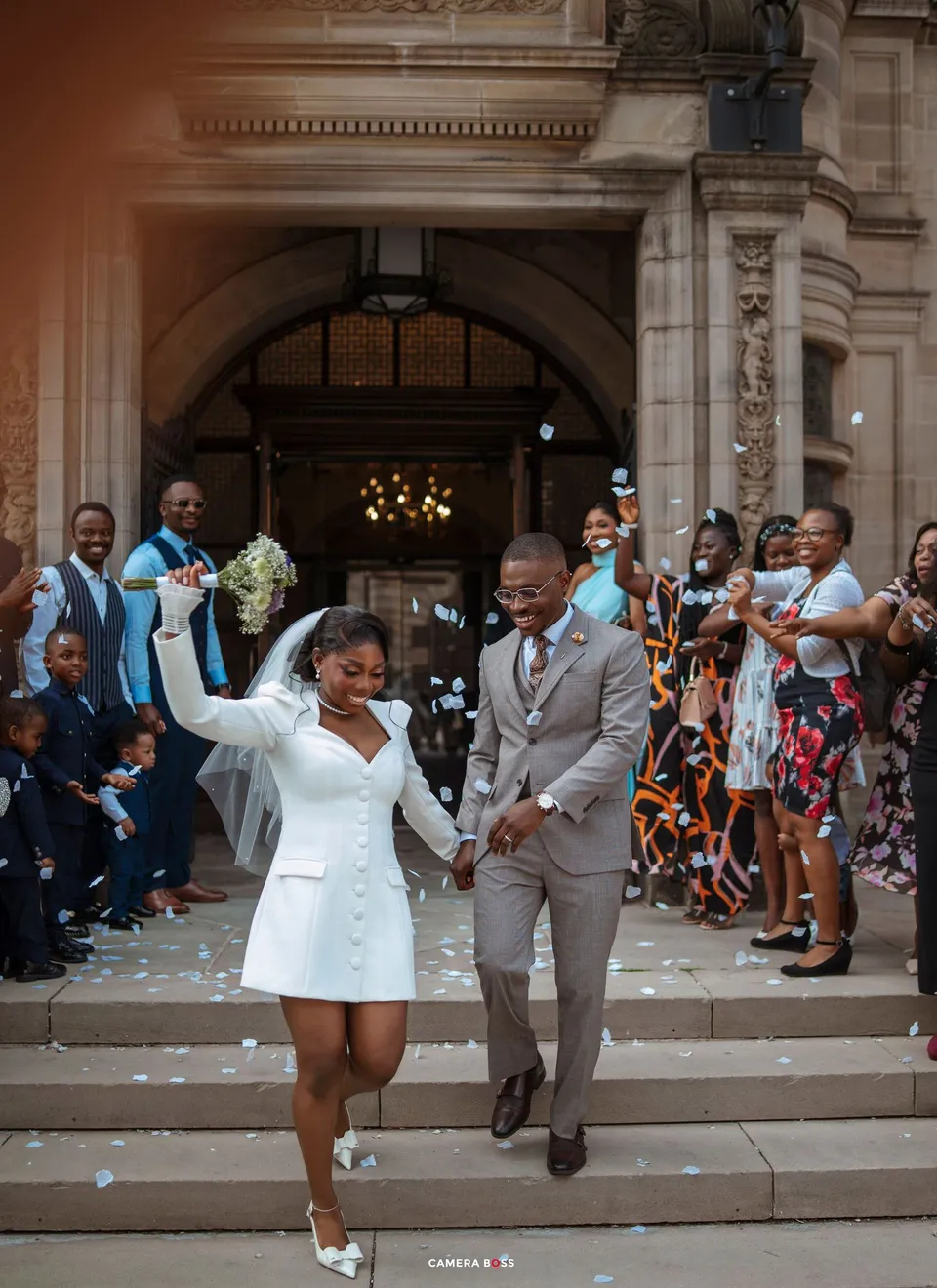
Every Birmingham venue tour sounds the same. The coordinator walks you through a beautiful empty room at two in the afternoon in June and you fall in love with it. Nobody mentions which way the windows face, how many guests the licence actually allows, or what the room looks like at seven when the speeches start. That is the gap this piece is trying to close.
Licensed, approved, or neither — and why it matters
A venue can only host your legal ceremony if it holds an approved–premises licence granted by Birmingham City Council. Plenty of beautiful Birmingham buildings host receptions and not ceremonies, and couples find this out late and expensively. The council keeps its own directory of approved premises, and it is the only source worth trusting — directories lag by years.
A licence also carries conditions, and they bite. There can be no religious wording or content in a civil ceremony at an approved premises. Some rooms are licensed for a named capacity, some for named hours, and a few only Monday to Friday. You give notice at the register office at least 29 days before the date, and the ceremony needs a registrar booked separately from the venue.
The upshot for your photographs is simple. If ceremony and reception share a room, there is a turnaround — typically 45 to 75 minutes with the doors shut. That is when I take you outside and actually make portraits. Ask which it is on the tour.
The rooms, and what each one does to a photograph
Five licensed Birmingham venues, verified against their own published information. Terms change, so confirm at your viewing.
Aston Hall, Trinity Road, B6 6JD
A Grade I listed Jacobean mansion from 1618, and the most photogenic ceremony room in the city. Civil ceremonies are held in the Great Hall for up to 80 guests, exclusively hired for a three–hour window from 11am to 2pm, Monday to Friday only, excluding bank holidays. The published package is £1,200 including VAT, with complimentary parking and use of selected rooms for photography.
The Long Gallery is the reason to book it. It is a long, panelled room with windows down one side, which gives you directional side light and a natural fall–off — the single most flattering photographic condition that exists indoors, free, without a flash. Lady Holte’s Garden and the North Courtyard handle the group shots. The catch is real: weekday mornings only, 80 guests maximum, and you are out by two, so this is a ceremony venue that needs a second site for the party.
Birmingham Botanical Gardens, Westbourne Road, Edgbaston
All three event suites hold civil ceremony licences. The Terrace Suite takes up to 180 guests and has the original domed ballroom ceiling, a stage and a sprung floor. The largest suite handles up to 500. Catering is in–house through Aramark, so external caterers are not the route here, and there are two published packages to work from.
What makes this venue unusual in Birmingham is the wet–weather plan. Fifteen acres of glasshouses mean that when it rains in October — and it will — there is somewhere genuinely beautiful and bright to take you, rather than a hotel corridor. The external terraces give you a drinks reception that photographs like a garden wedding without any of the risk.
Edgbaston Park Hotel, Edgbaston
Two licensed spaces, and they are opposites. Hornton Grange is a Grade II listed 1928 house licensed for both indoor and outdoor ceremonies, taking up to 100 day guests and 150 in the evening. The Fry Suite is a contemporary room in the main hotel building for up to 180 day and 240 evening guests. The hotel has 185 bedrooms, which quietly solves the accommodation problem for a large out–of–town guest list.
The outdoor ceremony licence at Hornton Grange is the detail worth chasing. Outdoor licences are still comparatively rare and they change everything about the middle of your day — open shade under trees at 2pm beats a dim function room every time. The Fry Suite is clean, bright and modern, which suits an editorial treatment but gives you very little architectural help; there, the pictures come from the people.
Highbury Hall, Moor Green Lane, Moseley
Joseph Chamberlain’s former home, run by the council and licensed for civil ceremonies, taking up to 100 guests for ceremony and wedding. It is not available for a ceremony on its own — you take the whole event or nothing.
Victorian domestic architecture means smaller rooms, tall sash windows and dark woodwork — lovely and technically demanding in equal measure, with enormous contrast between window and panelling. That is where exposing for skin rather than for the wall actually matters. The gardens photograph beautifully late in the afternoon.
The Council House Banqueting Suite, Victoria Square, B1 1BB
The civic room, and licensed for civil ceremonies so the whole day sits in one building. Catering is in–house with menus built around locally sourced produce, and the space is adaptable rather than fixed.
Its real asset is outside the door. Victoria Square, the Town Hall colonnade and the Chamberlain Memorial give you a dense cluster of grand backdrops within ninety seconds’ walk, which is rare for a city–centre venue. Weekends are busy with the public, so I plan around crowds rather than pretend they are not there.
Costs in Birmingham against the national picture
Birmingham sits in the “rest of England” band, and you should treat any London figure you read as irrelevant to your budget. Bridebook’s 2026 report puts the UK average wedding photographer at £1,484 within a £500 to £2,500 range, and places London and the South East £200 to £500 higher. The rest of England averages roughly £1,300 to £1,500.
Hitched’s figures put full–day coverage nationally at £1,800 to £2,800, which is higher because it excludes the short bookings that drag the average down. Both are true. The number that matters is the one attached to the coverage you actually want.
Useful benchmarks from the same 2026 data: a second shooter adds £400 to £600; the average videographer is £1,514, almost identical to photography; and a third of couples book film as well as stills. The average UK wedding overall came in at £20,604.
Where Birmingham genuinely saves money is the date. An Aston Hall weekday ceremony is a real option here, and weekday rates run below peak Saturdays across every supplier category. My bands are on the Cameraboss pricing page, travel stated rather than added later.
Light, timings and moving around Birmingham
The things I would want to know if I were planning a Birmingham day.
- Work backwards from sunset, not forwards from breakfast. In mid–September, useful light in Birmingham is gone by around 7pm and the golden half–hour is closer to 6:30. In December it is over before 4pm, so a winter wedding needs portraits scheduled immediately after the ceremony.
- The Clean Air Zone covers the city centre inside the A4540 ring road. Victoria Square and the Council House sit inside it. Most guests will not be caught by it, but anyone driving an older vehicle should check before the day rather than find a charge notice afterwards.
- Edgbaston to the city centre is fifteen minutes and forty on a matchday. If your ceremony is at the Botanical Gardens and your reception is central, check the fixture list before you set the timeline.
- Ask about ceiling height, not square footage. A room that seats 200 with a 2.4–metre ceiling cannot hold a group photograph of 200 people. Height is what makes the wide shot possible.
Couples booking Birmingham venues routinely come from Solihull, Sutton Coldfield, Wolverhampton, Coventry and West Bromwich, so build the timeline around the real drive.
Working with Cameraboss in Birmingham
I work from Leicester and London and travel to Birmingham regularly — it is an hour down the M69 and I quote it as a straightforward covered city, not a destination job. I want to be honest about that rather than imply a studio on Colmore Row that does not exist.
I was named Creative Photographer of the Year at the Creative Industry Awards 2024, and I photograph as a British–Nigerian luxury and documentary wedding photographer. In a city as mixed as Birmingham that matters practically, not decoratively: knowing the running order of a Yoruba engagement, a Nikah, a Hindu ceremony or a Sikh Anand Karaj means I am already standing in the right place when the moment arrives instead of reacting a second late. It also means I expose and grade for darker skin tones properly rather than pulling a preset across the whole gallery.
Photography and film come from one team on one timeline, which is worth more than it sounds in a room where the aisle is two metres wide. A pre–wedding shoot in the Jewellery Quarter or the Botanical Gardens sits under editorial and engagement shoots, and it is the best way to get comfortable in front of a camera before it counts. How I work through a day is on the experience page.
Book the room for the light it gives you at six in the evening, not the light it gives you at two in the afternoon. Every good wedding photograph in this city starts as a decision made on a venue tour eighteen months earlier.
Before you sign anything
Five things to confirm in writing, in this order: that the exact room you want is on the council’s approved–premises list; the licensed guest capacity for the ceremony as distinct from the reception; whether the ceremony and reception share a room and how long the turnaround is; what the access time is for suppliers; and whether there is any usable covered outdoor space if it rains.
That last one is the question couples skip and regret. Birmingham averages rain on roughly 130 days a year, and a venue with no covered outdoor option in October means every photograph you own was taken indoors. Full coverage areas are on the Cameraboss areas we cover page. For the reception end of the same market, see the Birmingham event halls guide; for portraits, the ten best Birmingham shoot locations; and across the Midlands, Leicester’s event halls.
Common Questions
A: No. Birmingham is an hour from my Leicester base and travel is included in the quoted price for the city and the wider West Midlands. If a venue needs an overnight stay I say so upfront.
A: Eighteen to twenty–four months for peak Saturdays. Weekdays and winter dates are commonly available six to nine months out, and Aston Hall is weekday–only anyway, which makes it easier to secure.
A: Yes, along with Coventry, West Bromwich, Dudley and Walsall. They all fall inside the same covered West Midlands radius.
A: Not during the civil ceremony itself — approved premises rules prohibit religious wording or content. Couples usually hold a separate religious ceremony elsewhere, which I am happy to cover as part of the same booking.
A: A ten–hour day produces 3,000 to 5,000 raw frames, and what you receive is the culled and graded set from that — several hundred images rather than everything the shutter caught. The editing behind it is 20 to 30 hours of desk work.
Planning a wedding in Birmingham?
Send me your date and venue and I’ll come straight back with whether I’m free, what full coverage would cost, and a real gallery from a wedding like yours. No hard sell, no pressure, no chasing you afterwards.
Send your date → Honest availability and a full quote → Secure the day
Not ready yet? See packages and pricing · Browse real weddings · Read what couples say
Creative Photographer of the Year, Creative Industry Awards 2024
· Photography and film from one team · Covering Birmingham and across the UK
Prefer to talk it through? Call or WhatsApp 07823 714814
· camerabossmultimedia@gmail.com
Cameraboss Multimedia Ltd · cameraboss.co.uk
Award-winning British-Nigerian luxury and documentary wedding photographer · Creative Photographer of the Year, Creative Industry Awards 2024
Serving couples across the UK: London · Manchester · Newcastle · Birmingham · Liverpool · Sheffield · Leicester · Leeds · Bristol · Derby · Nottingham